
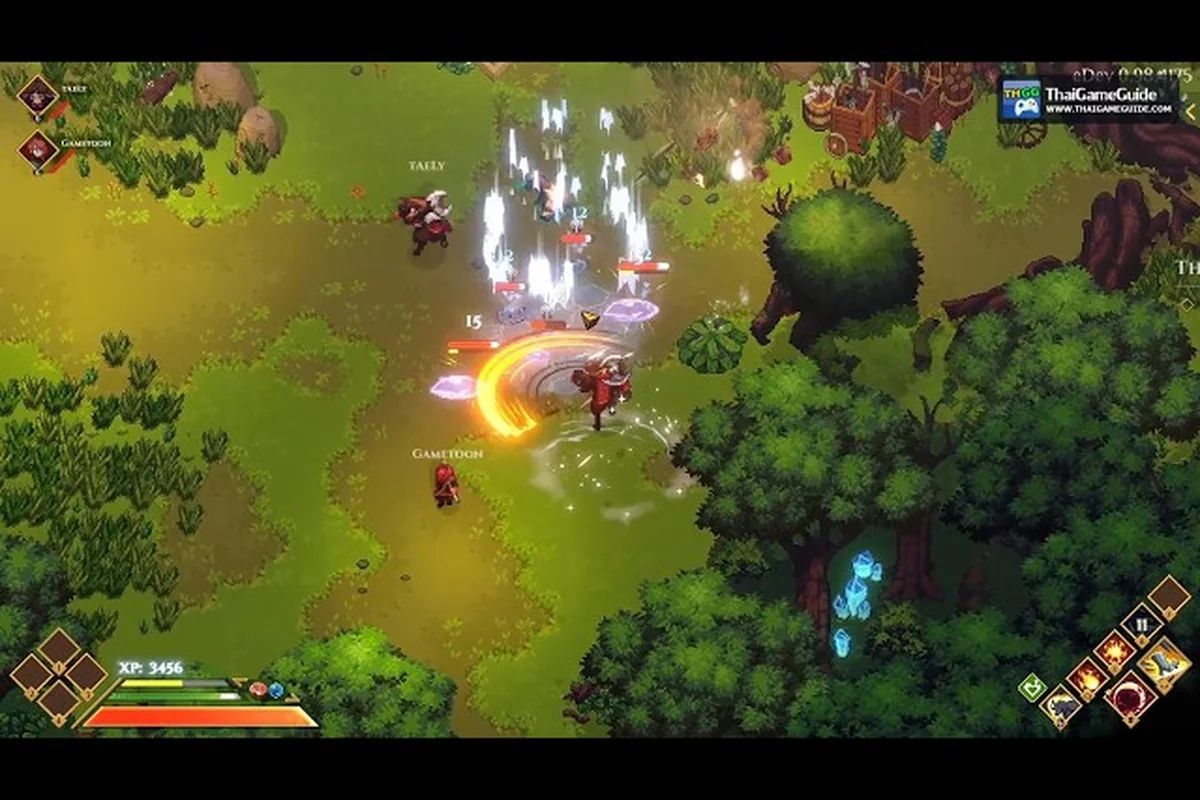
Dimraeth crafting leveling is the single fastest way to outgear your peers in the first 20 hours, because every recipe, station, and codex entry feeds a hidden skill bar that gates your next-tier equipment. If you ignore the loop, you will spend another ten levels running back to vendors for items you could have rolled yourself. This guide maps the shortest, highest-XP path from rank 0 to mid-tier crafter, which stations to prioritize, which recipes burn the least resources, and where the alchemy branch splits off from blacksmithing. Expect table-by-table data, route priorities, and gear upgrade sequencing you can copy straight into your first session.
Why Dimraeth Crafting Leveling Outpaces Vendor Gear
Crafting in Dimraeth is officially described as "optional but impactful" on the Dimraeth on Steam store page, but in practice it is the highest-XP-per-minute activity you can run between dungeon clears. The crafting skill tracks a separate bar from combat levels, and every successful craft — whether from your backpack or at a dedicated station — deposits XP scaled by recipe tier, station bonus, and codex discovery bonus.
The catch is that recipe discovery itself is gated. According to the official Dimraeth website, recipes are found in the world, dropped from monsters, or unlocked by experimentation in your crafting slots. The Crafting Codex logs every recipe you have ever seen for a given item, which means a single high-tier codex entry can be the difference between a player crafting their way to power and one stuck buying greens at the market. Players who treat codex hunting as part of their route — picking up every new schematic from a kill or container — routinely reach mid-tier crafting skill 30-40% faster than those who wait for random drops.
| Crafting Activity | Avg XP per Action | Resource Cost | Station Required |
|---|---|---|---|
| Backpack iron bar smelt | 8 | 2 iron ore | No |
| Station iron ingot craft | 18 | 4 iron ore + 1 coal | Forge |
| Leather piece (backpack) | 12 | 3 raw hide | No |
| Leather armor (station) | 35 | 6 hide + 2 thread | Tannery |
| First-time codex recipe | +50% bonus | varies | varies |
| Failed craft (recoverable) | 30% of normal | partial | varies |
The 50% codex bonus is the single biggest XP swing in the system, and it is why most power-levelers do a codex sweep of every new zone before settling into a grind loop. Failing a craft still grants 30% of normal XP, so even the "wasted" materials in a misclicked slot push your bar forward. That safety net means a Dimraeth crafting leveling route can afford to spam mid-tier recipes that occasionally brick, because the worst case is still net-positive XP.
Setting Up Your Crafting Table and Stations
Before any XP run begins, you need the right infrastructure. Dimraeth does not lock crafting behind a single bench — it splits the system across dedicated stations, each with its own input grid and bonus pool. The Mudtek developer site confirms that "many recipes require specific stations," which means trying to level blacksmithing at a tannery is a dead end.
Station Tiers and Unlock Order
Stations come in three practical tiers: common world spawns (forge, tannery, alchemy lab, sewing bench), faction hubs (better bonuses, faster queue times), and player-built home stations (customizable, but require investment). Most players skip straight to faction hubs because the +10% XP bonus stacks on top of the codex bonus. Home stations only become relevant once your Dimraeth crafting build stabilizes around a specific role, because at that point you can lock in recipe shortcuts and a permanent crafting radius.
| Station Type | XP Bonus | Unlock Method | Recommended Level |
|---|---|---|---|
| World spawn (Forge) | 0% | Walk to it | 1+ |
| World spawn (Tannery) | 0% | Walk to it | 1+ |
| World spawn (Alchemy) | 0% | Walk to it | 1+ |
| Faction hub station | +10% | Reputation 2 | 5+ |
| Faction hub (Tier 2) | +15% | Reputation 4 | 12+ |
| Home station (basic) | +5% | Build kit | 8+ |
| Home station (advanced) | +20% | Build kit + blueprints | 18+ |
The 5-level reputation gate is the practical starting line for any serious Dimraeth crafting leveling route. Until you hit Reputation 2 with at least one faction, you are running at baseline XP rates, which roughly doubles the total time to reach the same skill tier. Community testing on the Dimraeth Steam community hub suggests the fastest path is to chain 2-3 faction hub turn-ins during the early story quests, because most players earn Reputation 2 passively by the time they finish Act 1.
Backpack Crafting vs. Station Crafting
Backpack crafting is the only option available before you discover a station, and it covers basic recipes: smelting, simple leather pieces, crude alchemy, and field repairs. Station crafting unlocks higher recipe tiers, multi-slot inputs, and quality rolls. The XP difference is roughly 2-3x in favor of stations, but backpack crafting fills the gap during travel and dungeon runs where no station is nearby.
| Craft Mode | XP Multiplier | Input Limit | Quality Roll | Best Use |
|---|---|---|---|---|
| Backpack (basic) | 1.0x | 3 slots | None | Travel, dungeons |
| Backpack (extended) | 1.2x | 4 slots | Common | Early grind |
| Station (world) | 2.0x | 5 slots | Uncommon | Mid-tier push |
| Station (faction) | 2.3x | 6 slots | Rare | Power-leveling |
| Station (home advanced) | 2.5x | 6 slots | Rare+ | Endgame |
The expanded 6-slot home advanced station is the long-term goal, but it is not necessary for the first 20 levels of Dimraeth crafting leveling. Most players push through the early-to-mid grind at faction hubs and only commit home resources once their build identity is locked.
Fastest XP Routes by Crafting Branch
The crafting system is split into four practical branches: blacksmithing, leatherworking, alchemy, and sewing. Each one levels independently, so a Dimraeth crafting build that mixes two branches will level both more slowly than a focused player who picks one. The fastest Dimraeth crafting leveling route therefore depends on which branch you intend to push, and which end-game gear you want to wear.
Blacksmithing XP Route
Blacksmithing is the highest-XP branch because iron and steel recipes cycle fast and the codex drops are abundant. The optimal loop is ore mine → faction forge → smelt → repeat, with a weekly codex sweep of any new dungeon. Players who follow the official Dimraeth progression as outlined on the Dimraeth tips and tricks guide typically hit blacksmithing skill tier 5 within the first 8 hours of focused grinding.
| Step | Action | XP Gained | Time Cost |
|---|---|---|---|
| 1 | Mine 40 iron ore (zone route) | 0 (gather) | 12 min |
| 2 | Smelt 10 ingots at faction forge | 180 | 4 min |
| 3 | Craft 5 iron weapons (station) | 175 | 6 min |
| 4 | Codex sweep of new dungeon | +50% bonus | 15 min |
| 5 | Repeat with steel tier | 2x base XP | ongoing |
Leatherworking XP Route
Leatherworking has a slightly slower per-action XP rate than blacksmithing, but the gather loop is safer because animals respawn fast and rarely require combat. The Dimraeth gear crafting path through leatherworking focuses on armor pieces, which makes it ideal for tanks and brawlers who want self-crafted gear from the start. According to the Dimraeth best class breakdown, the Brawler benefits most from leather armor due to the close-combat scaling on hide pieces.
| Hide Tier | Recipe Tier | XP per Craft | Typical Use |
|---|---|---|---|
| Raw hide | Crude piece | 12 | Leveling 1-3 |
| Tanned hide | Light armor | 28 | Leveling 4-6 |
| Cured hide | Medium armor | 55 | Leveling 7-10 |
| Hardened hide | Heavy armor | 95 | Leveling 11+ |
Alchemy XP Route
Alchemy is the lowest base-XP branch, but it has the highest value-per-craft because potions and food are consumed constantly. The Dimraeth alchemy guide notes that food gives "timed percentage-based stat buffs" for roughly 30 minutes, while potions recover health, concentration, and stamina, with some throwable variants for combat. That utility means every alchemy craft you complete pays for itself, even when the XP gain is smaller. Players running a Dimraeth crafting build that supports a co-op party often pick alchemy as their second branch for exactly this reason.
| Alchemy Recipe | XP Gained | Buff Duration | Use Case |
|---|---|---|---|
| Minor healing potion | 15 | Instant | Dungeon recovery |
| Stat food (cooked) | 22 | ~30 min | Pre-boss prep |
| Concentration brew | 18 | ~25 min | Magic class farming |
| Throwable elemental | 40 | N/A | Crowd control |
| Advanced tincture | 65 | ~45 min | Raid prep |
The 30-minute food buff window is the practical clock for a co-op crafting run. Stack your food craft, your consumable rotation, and your dungeon clear inside one buff window, and you triple the effective value of every minute spent at the alchemy lab. The Dimraeth co-op compatibility overview confirms that co-op alchemy loops are a recognized optimization, especially when one player focuses entirely on buff maintenance while the others clear.
Equipment Upgrade Sequencing and Gear Priorities
The Dimraeth equipment upgrade guide workflow is layered: you level the skill, unlock higher recipe tiers, then craft upgrade components that socket into existing gear. Skipping any layer leaves you with either insufficient skill to roll the upgrade or insufficient materials to apply it. The standard sequence is craft the base item, then slot the upgrade component once your skill tier supports it.
| Gear Slot | First Viable Craft | Skill Tier Required | Upgrade Component |
|---|---|---|---|
| Weapon (1H) | Iron sword | 3 | Whetstone (BS) |
| Weapon (2H) | Steel greataxe | 5 | Whetstone+ (BS) |
| Helmet | Tanned helm | 4 | Padding (LW) |
| Chest | Iron plate | 6 | Rivet (BS) |
| Legs | Cured pants | 5 | Patch (LW) |
| Boots | Hardened boots | 7 | Stud (BS) |
| Trinket | Alchemical charm | 8 | Tincture (ALC) |
| Off-hand | Buckler | 4 | Hinge (BS) |
The first three "real" upgrades you should chase are weapon > chest > trinket, because those three slots carry the largest stat delta in the early game. Helmet and legs come next, and boots/off-hand are often skipped until endgame because movement speed and block chance scale less aggressively. Players running the standard Dimraeth progression as outlined in community guides report that hitting skill tier 6 across blacksmithing and leatherworking is the practical turning point where crafted gear starts outperforming dungeon drops in nearly every slot.
Upgrade Material Sourcing
Upgrade components come from three sources: direct crafting at the relevant station, salvage from equipped gear, and rare drops from named enemies. Salvage is the cheapest path once you have a few dungeon pieces in your inventory, because salvaging a green or blue item returns 1-3 components of the matching slot. Rare drops from named enemies are the cleanest source for trinket upgrades, because trinkets are otherwise gated behind the alchemy lab and require more raw materials.
| Component Source | Avg Yield | Best For | Limitation |
|---|---|---|---|
| Direct craft | 1 per craft | Steady supply | Material cost |
| Salvage (green) | 1-2 per item | Common components | Random slot |
| Salvage (blue) | 2-3 per item | Mid components | Random slot |
| Named enemy drop | 1 guaranteed | Trinket components | Daily lockout |
| Faction vendor | 1 per turn-in | Late-game components | Reputation req |
Mid-Game Pivots: When to Switch Branches
Around skill tier 10, the Dimraeth crafting leveling curve starts to bend, because XP-per-recipe stops doubling each tier and the resource cost per craft climbs. At that point, most players either specialize deeper into a single branch or pivot to a second branch that supports their main. The decision depends on your role: tanks usually push leatherworking deeper, magic classes pivot to alchemy for concentration brews, and DPS hybrids tend to main blacksmithing while dipping into alchemy for throwables.
| Build Archetype | Primary Branch | Secondary Branch | Skill Tier Pivot |
|---|---|---|---|
| Brawler tank | Leatherworking | Blacksmithing (weapons) | 12 / 6 |
| Magician DPS | Alchemy | Sewing (cloth) | 14 / 8 |
| Shadow hybrid | Blacksmithing | Alchemy | 12 / 10 |
| Co-op support | Alchemy | Leatherworking | 15 / 5 |
| Soloist | Blacksmithing | None | 20+ |
The co-op support archetype is unique because it runs alchemy to 15 first, which is a long grind, but the payoff is that you can carry any group through food and potion logistics. Soloists often skip the secondary branch entirely, because the Dimraeth crafting leveling XP cost of splitting focus tends to leave both branches under-tiered for endgame content. The standard rule of thumb from community testing is to commit one branch to tier 15 before starting a second, and to keep the second branch no more than 6 tiers below the primary.
Frequently Asked Questions
What is the fastest way to start Dimraeth crafting leveling from zero?
Mine or gather 40 of your tier's basic material, walk to the nearest faction hub, and smelt or process them in a batch. The first 10 crafts each take under a minute and push you from rank 0 to rank 2 inside the first hour. Adding a codex sweep of any new dungeon on the way back stacks the 50% discovery bonus on top.
Do I need the advanced home station to keep leveling fast?
No, the advanced home station only adds about 20% XP over a faction hub and is not worth the resource sink before crafting skill tier 18. Faction hubs at Reputation 2+ are the practical sweet spot for the entire mid-game grind.
Should I focus one crafting branch or level them all?
Level one branch at a time. The XP cost of splitting across two branches before either hits tier 10 is roughly 40% higher than focusing, and your end-game gear will be weaker in both. Commit blacksmithing, leatherworking, or alchemy to tier 12+ before dipping into a second.
How does the Crafting Codex work in practice?
Every recipe you encounter — by crafting, finding a schematic, or experimenting in a slot — is logged in the Codex per item. New codex entries give a 50% XP bonus on the next craft of that item, so a single rare schematic in a dungeon can be worth more XP than an entire grinding session. The Codex is the single best friend of any Dimraeth crafting leveling route.
Can I recover materials from a failed craft?
Yes, partially. The amount returned depends on the recipe tier and the slot that failed, but most mid-tier recipes refund at least 50% of the input materials. Failed crafts still grant 30% of the normal XP, so a bricked recipe is rarely a total loss for your skill bar.