
Classes
Compare all six Dimraeth classes — Brawler, Magician, Shadow and more — with builds, skill trees, attribute requirements, tier rankings and best Archetype pairings.
Introduction
Dimraeth's six classes define how you fight, what you equip and how your skill tree grows. Each class pairs with any of the 8 races to form one of 48 Archetypes, so the same Magician plays very differently as an Elf or a Minotaur. Early Access confirms the Brawler, the Magician and the new Shadow class, with three more classes still to be revealed before or shortly after launch. This section compares every confirmed class — their role, their strengths and the playstyles they reward — so you can pick the one that matches how you want to play, whether you are going solo or building a co-op party with friends.
Class Tier Rankings
| Tier | Class | Role | Best For |
|---|---|---|---|
| S | Shadow | Stealthy high-mobility burst assassin | Solo players who love fast, aggressive play |
| A | Magician | Elemental caster blending spells with weapon strikes | Ranged damage and flexible rotations |
| B | Brawler | Agile close-combat specialist with grappling | Melee fans who want high pressure up close |
| C | More Classes | Three additional classes arriving in EA updates | Waiting for full class reveals |
Class Roster
Shadow
New Early Access class for stealth and mobility
Magician
Elemental caster with fire, ice and lightning
Brawler
Agile close-combat specialist with grappling
More Classes
Three additional classes arrive in EA updates
Core Mechanics
Every class in Dimraeth has its own skill tree, attribute requirements and spell affinity, which means your class choice changes not only your basic attacks but also which of the 300+ spells you can use effectively. The Magician leans on elemental magic — fire, ice and lightning — and can weave spells between weapon strikes for a hybrid playstyle. The Brawler is an agile close-combat specialist with grappling moves and unpredictable movement that keeps enemies guessing. The Shadow, new for Early Access, emphasizes stealth and mobility, letting you reposition quickly and strike from unexpected angles. Class synergies matter in co-op: pairing a frontline Brawler with a ranged Magician and a Shadow flanker covers most combat situations, and each Archetype combination adds its own passive bonuses.
Advantages
The class system is one of Dimraeth's strongest hooks because the 8-by-6 Archetype grid creates genuine replay value. A single class can feel completely different depending on the race you pair it with, and the independent skill trees mean no two builds need to look alike. The confirmed classes are also well differentiated: the Magician rewards planning and resource management, the Brawler rewards timing and aggression, and the Shadow rewards map awareness and burst execution. Because Early Access is not out yet, our comparisons focus on official descriptions and demo impressions, which gives you a head start on knowing which class matches your instincts before you spend your first hour in-game.
Challenges
The biggest weakness of the class category right now is incomplete information. Only three of the six classes are fully confirmed, and exact skill tree layouts, attribute requirements and spell lists have not been published in detail. Tier rankings like the one above are provisional and based on announced design intent, not live balance testing — the Shadow could land differently once players actually get their hands on it. Co-op also changes class value: a class that feels weak solo can be essential in a party, and vice versa. We update our rankings when Mudtek reveals more details, but treat the current tiers as a starting point rather than a final verdict.
Frequently Asked Questions
Which class is best for solo play?+
How do classes combine with races?+
Is the Shadow class worth playing at launch?+
Quick Tips
Test all three confirmed classes in the demo before Early Access. Class feel is hard to judge from a description, and the demo is the cheapest way to find out whether Brawler timing or Magician rotations suit you. Your muscle memory will thank you on launch day. Watch a few minutes of footage per class if the demo is closed, then trust your first instinct on launch.
Plan your co-op party around class synergies, not just personal preference. A Brawler to hold aggro, a Magician for ranged damage and a Shadow for flanking covers most encounters and makes world bosses significantly easier, even with fewer total players. A balanced trio is far stronger than three damage dealers trying to out-damage each other.
Check the attribute requirements of your best spells before spending skill points. A class's most powerful tools are often gated behind stats you need to build toward from the start, and a wasted point early can delay your strongest rotation for hours. Plan your first ten levels around those requirements so your early fights feel smooth instead of frustrating.
Featured
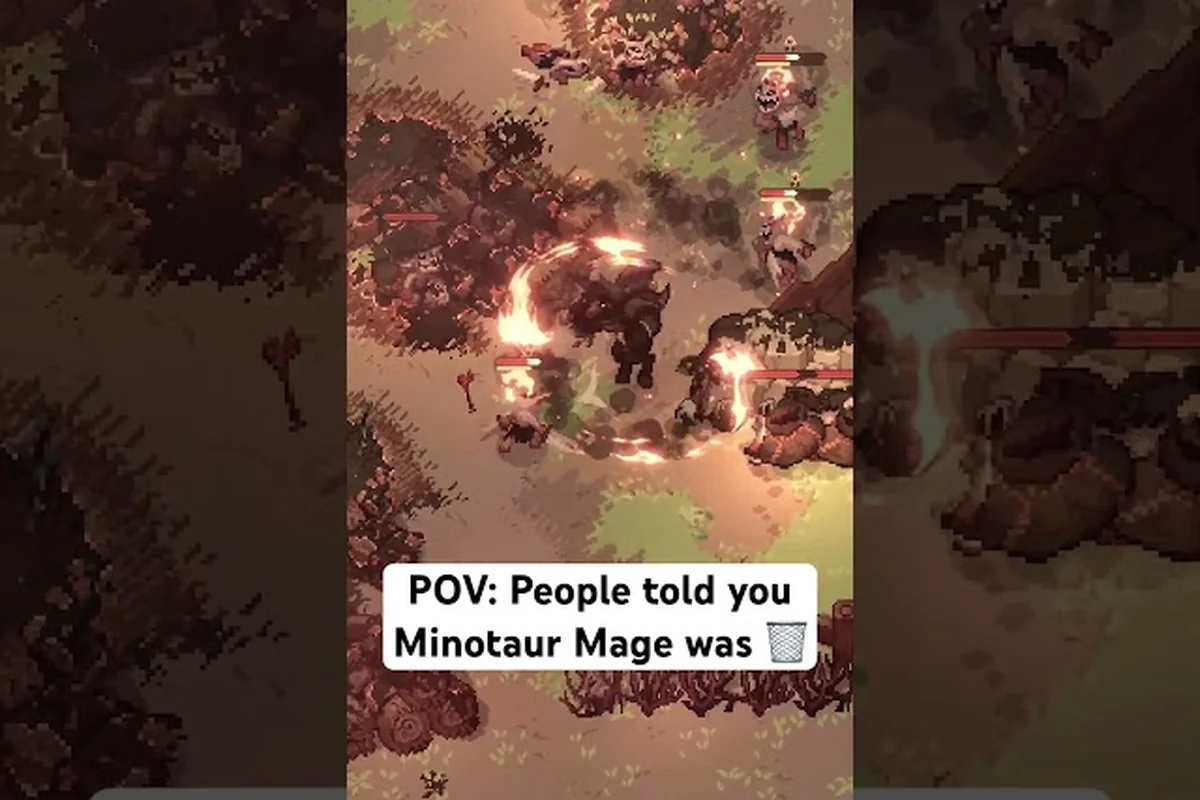
Dimraeth Best Class Guide: Early Access Tier Rankings
Find Dimraeth's strongest class with a full S-to-F ranking of all six archetypes, comparing solo damage, co-op support, and stamina efficiency to lock in your pick.
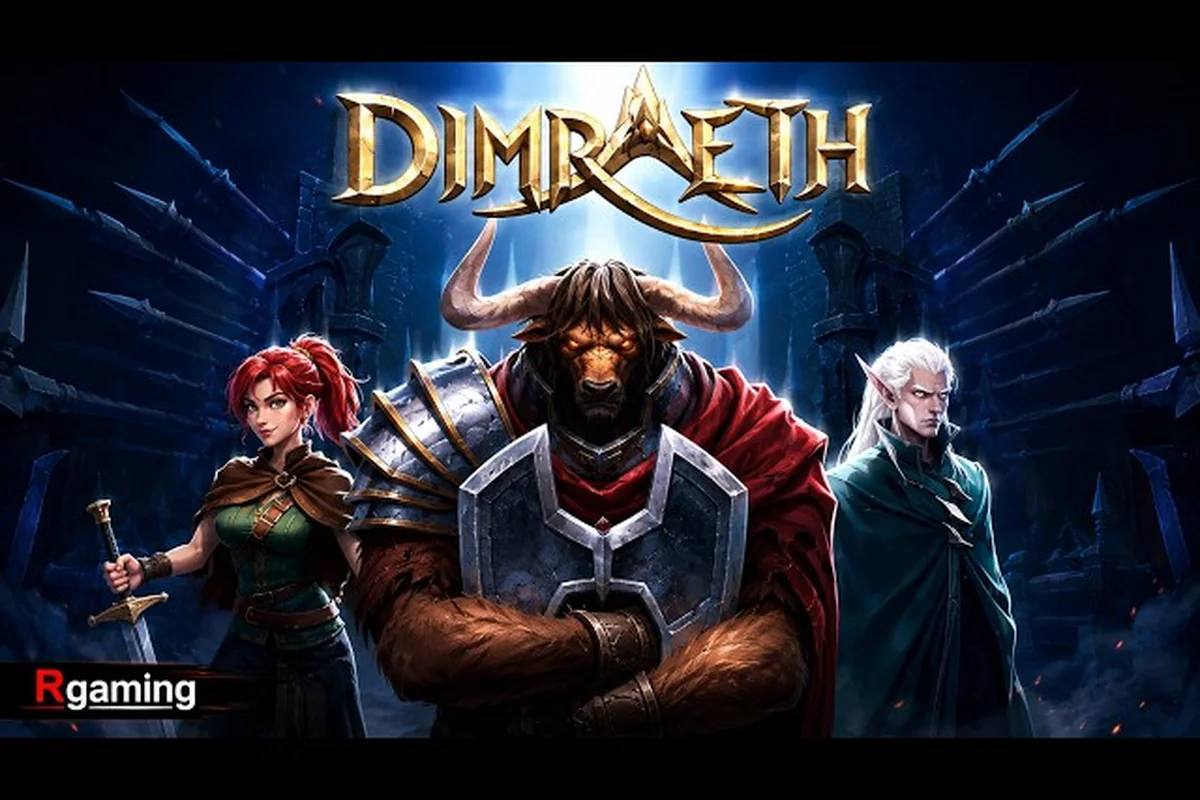
Dimraeth Class Comparison: Brawler, Magician, and Shadow Match
Read a full Dimraeth class comparison: Brawler melee damage, Magician spellcraft, Shadow utility, and which archetype fits solo or co-op play.
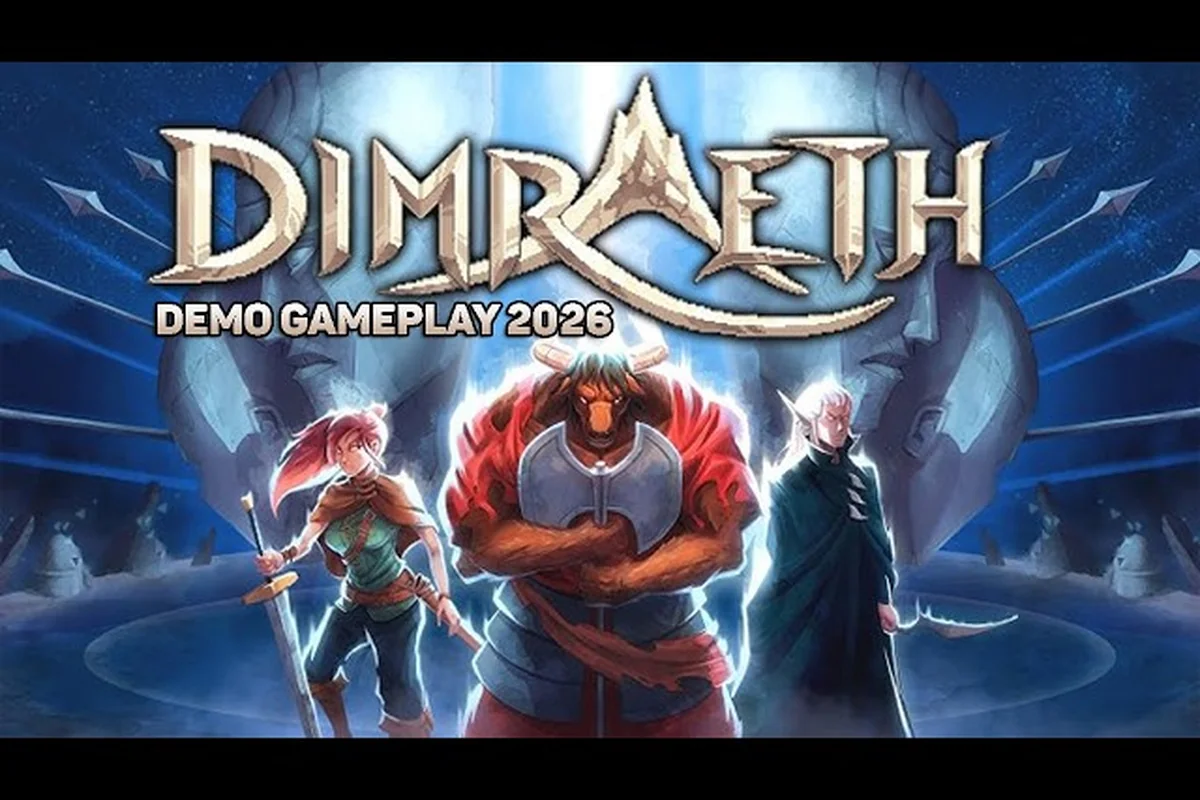
Dimraeth Class Skills and Spells: Every Archetype Tree Explained
Every Dimraeth class skill and spell across all 48 Archetype trees, including passives, exclusive spells, attribute gates, and top Early Access picks.
All Articles
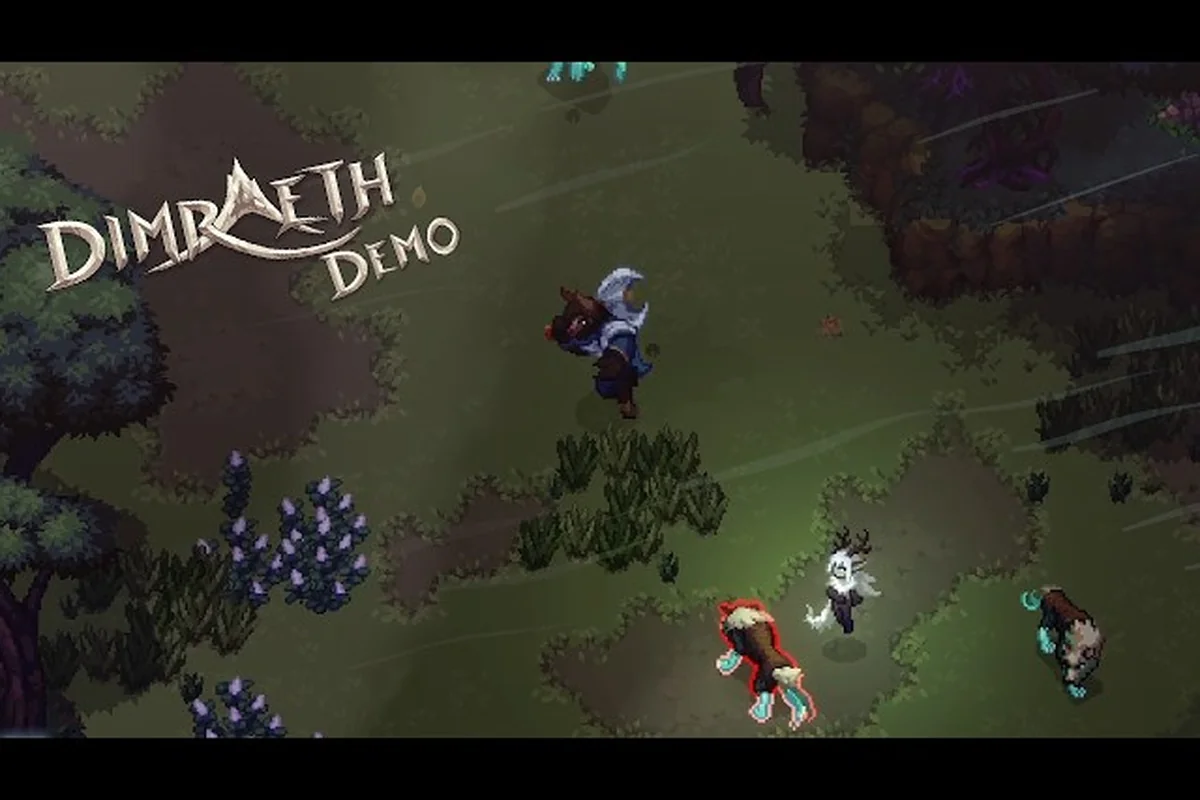
Dimraeth Class Stats: Attribute Spreads and Build Synergies
Break down Dimraeth class stats with attribute spreads, tier rankings, and build synergies — pick the strongest archetype for solo or co-op from character creation.
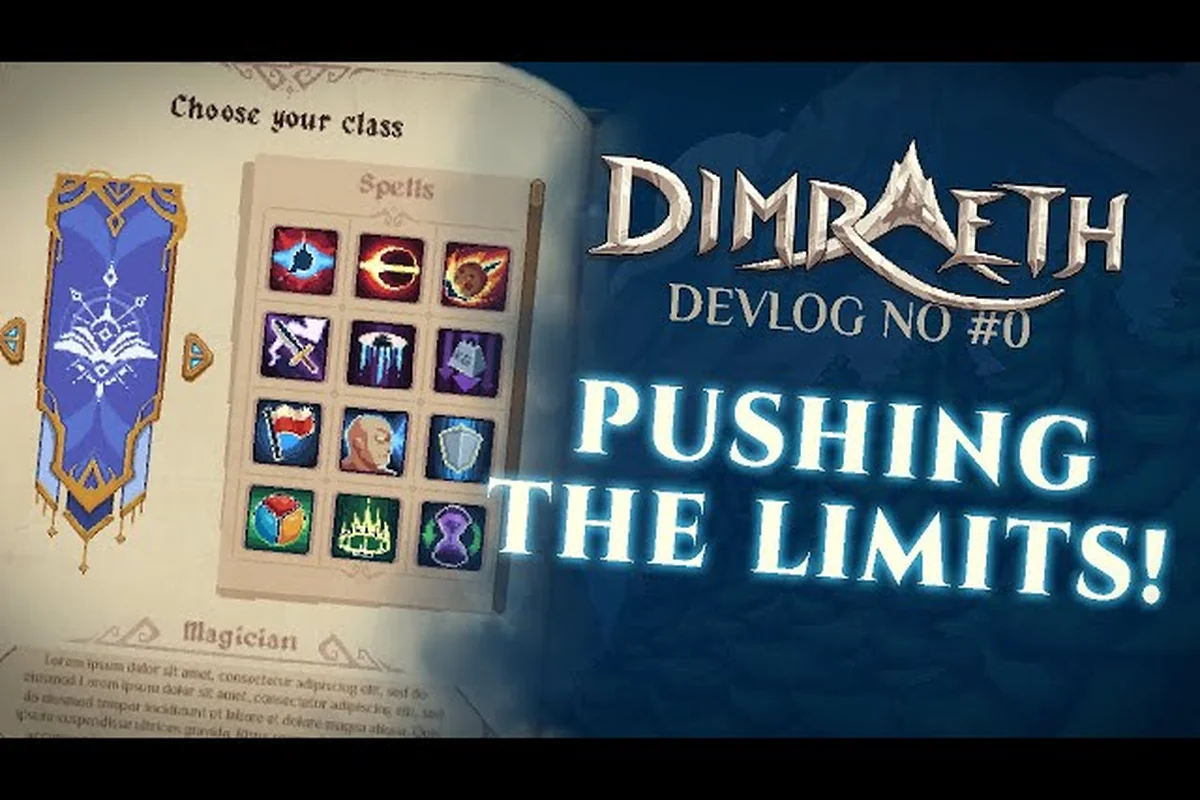
Dimraeth Magic Class Guide: Elemental Builds and Spell Loadouts
Master Dimraeth's magic class with elemental spell breakdowns, five-spell loadout tips, and stamina-aware rotations for both solo arcane and support caster play.
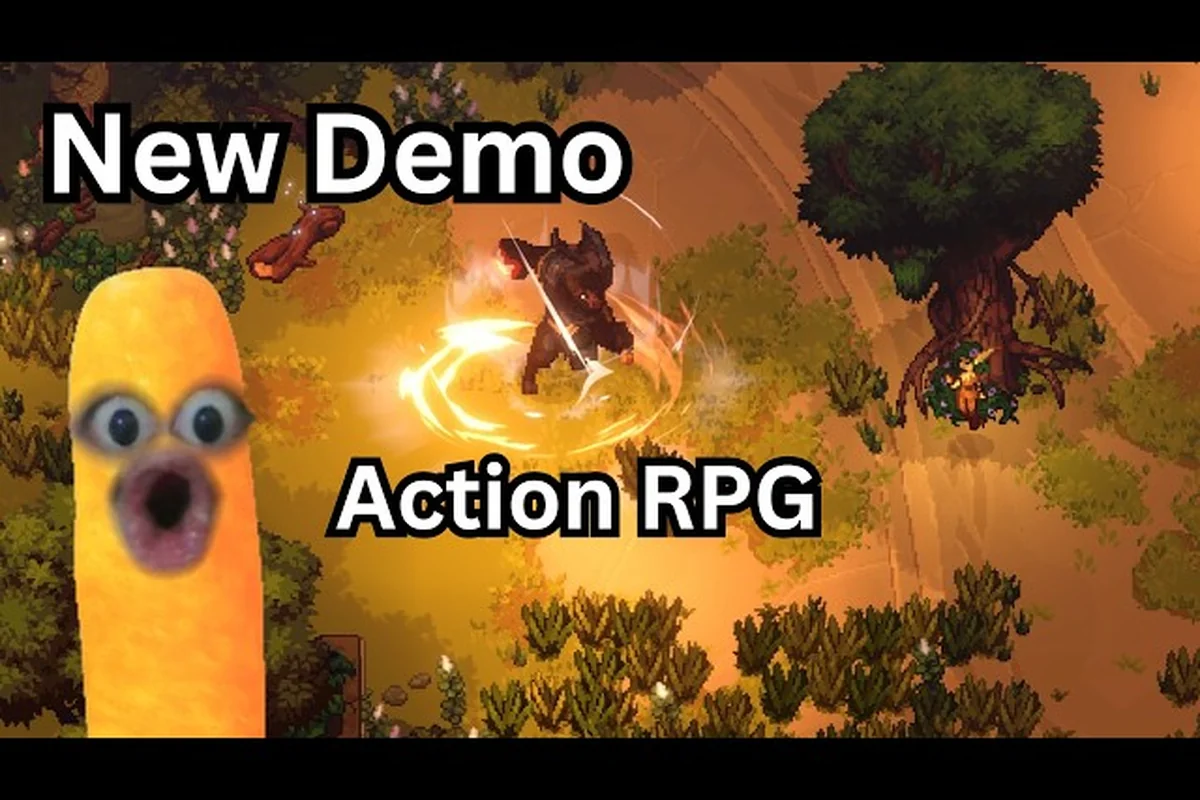
Dimraeth Brawler Build: Stamina Combos, Tree Priority, Races
Forge a top-tier Dimraeth Brawler build with stamina-aware melee combos, skill tree priorities, and race pairings that dominate Early Access.