
Crafting
Learn Dimraeth crafting and cooking — forge equipment, brew potions, cook vitality food and unlock recipes across the stations and allies of Earlwood Village.
Introduction
Crafting in Dimraeth turns the world's raw materials into the gear, potions and food that define your power curve. You forge weapons and armor at crafting stations, brew potions from gathered ingredients, and cook meals that permanently raise your vitality. Recipes are not all handed to you — many unlock through experimentation and by upgrading ally facilities across Earlwood Village. This section covers every crafting loop, the stations where work happens, the materials you need and the recipes worth prioritizing, so you can turn gathering runs into a real economy instead of a side activity. Understanding the material chains between gathering, refining and crafting is the fastest way to keep your gear and consumables ahead of the difficulty curve.
Crafting Station Quick Reference
| Station | Craft | Key Input | Output |
|---|---|---|---|
| Crafting Bench | Equipment | Ores and leather | Weapons and armor |
| Brewing Station | Potions | Herbs and extracts | Healing and buff potions |
| Cooking Fire | Meals | Crops and meats | Vitality-boosting food |
| Village Forge | Upgrades | Refined ingots | Upgraded gear and services |
Crafting Stations
Crafting Bench
The heart of equipment crafting
Brewing Station
Potions that keep you alive
Cooking Fire
Meals that permanently raise vitality
Village Forge
Upgrades and refined services
Core Mechanics
Dimraeth's crafting system is built around stations, recipes and the materials you gather from the world. Each station accepts specific inputs — ores and leather for equipment, herbs and extracts for potions, crops and meats for food — and turns them into gear, consumables and upgrades. Recipe discovery is a core loop: some recipes are learned from quests and vendors, while others unlock through experimentation, so trying combinations at a station is often rewarded. Ally facilities extend your capabilities, expanding shop inventories and farming plots that feed the crafting economy. The village forge handles equipment upgrades, letting you improve your best gear instead of replacing it constantly, which makes material gathering a meaningful investment rather than busywork.
Advantages
Crafting gives Dimraeth a satisfying power loop where every material you gather has a purpose. Because food permanently raises vitality, cooking is one of the best long-term investments in the game — a small cooking routine compounds into a noticeably larger health pool. Potions keep you alive through the Souls-lite fights, and crafted equipment lets you fill gear slots without relying on lucky drops. The station system creates natural goals: build a bench, feed it materials, unlock recipes, then upgrade your forge to craft better gear. It also feeds base building, since farms and quarries produce the raw materials your stations consume, making the gather-craft-build triangle feel cohesive.
Challenges
Crafting has a real time cost, and it is easy to over-invest early. Gathering requires interrupting your combat flow, and some ingredients only appear in specific regions, forcing detours. Recipe discovery through experimentation can waste materials if you guess wrong, and station upgrades demand resources you might want for gear instead. Until Early Access launches, exact recipe lists and material drop rates are not fully documented, so some guides rely on demo impressions and official descriptions. If you rush crafting without a plan, you can end up with a stockpile of materials and nothing to craft, so it pays to set clear goals for each crafting session.
Frequently Asked Questions
What should I craft first?+
How do I unlock new recipes?+
Does food really raise my vitality?+
Quick Tips
Gather in bulk when you visit a region with rare materials. Recipes often need several units of the same ingredient, so a single-material trip saves you from backtracking later. Clear your inventory before farming runs to maximize what you bring home. A full inventory is a full wallet, and a full wallet funds every recipe unlock you want.
Upgrade ally facilities before you expand your station network. Ally upgrades unlock recipes and services that make every other crafting investment more valuable, so a little relationship work early saves you materials and gold in the long run. Treat ally rapport like a bank that pays compounding interest on all future crafting.
Do not hoard surplus materials. If you have more ores than you need for gear, sell them to fund recipe unlocks and furniture — a flowing economy beats a full storage box, and merchant prices stay stable enough to make selling reliable. Keep a small reserve of essential materials and liquidate the rest whenever your storage fills up.
Featured
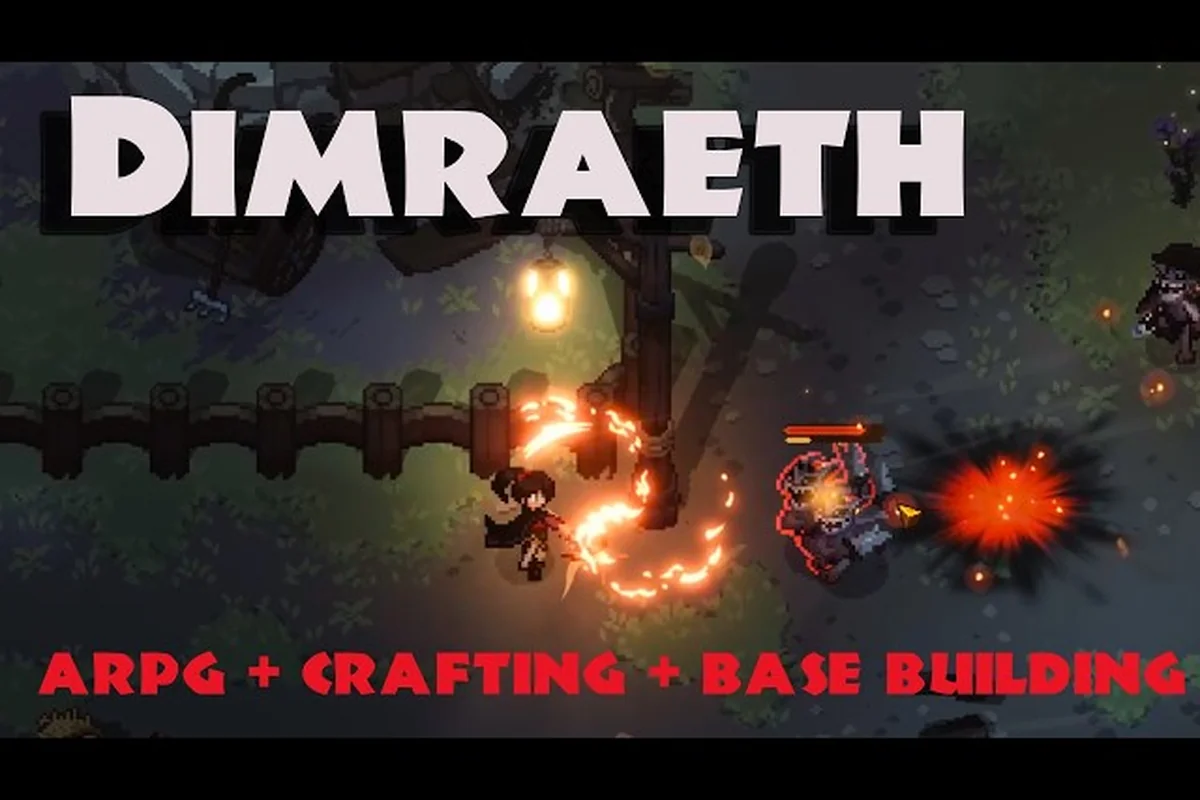
Dimraeth Crafting Guide: Recipes, Stations, and Gear Upgrades
Start crafting in Dimraeth with recipe discovery tips, station locations, and gear upgrade paths that keep your weapons and armor ahead of the level curve.

Dimraeth Crafting Leveling: Fast Skill XP Routes
Power-level Dimraeth crafting leveling with the fastest skill XP routes, table priorities, and gear upgrade paths to keep your equipment ahead of the curve.

Dimraeth Crafting Bench Guide: Workstations and Forge Upgrades
Find every Dimraeth crafting bench, unlock station-specific recipes, and upgrade your gear with a full walkthrough of forge and workstation mechanics.
All Articles

Dimraeth Potion Brewing: Every Recipe, Buff, and Stack
Master Dimraeth potion brewing with a full recipe list, cooking buff breakdowns, and stacking tips that turn flasks and meals into your strongest stat boost.

Dimraeth Potion Effects: Healing Flasks and Buff Elixirs
Browse every Dimraeth potion effect, from healing flasks to stat-boosting elixirs, and learn which recipes and buff stacks win the toughest Early Access fights.

Dimraeth Vitality Food: Best Recipes and Buff Stacking
Cook the strongest Dimraeth vitality food with top recipes, ingredient locations, and meal buff stacking tips to keep your hero's health pool high in every fight.