
Combat
Master Dimraeth's Souls-lite combat — parry and dodge timing, stamina economy, enemy telegraphs, five-spell rotations and elemental counters from 300+ spells.
Introduction
Dimraeth's Souls-lite combat is the heart of the game — a stamina-driven dance of reading telegraphs, choosing when to parry, block or dodge, and punishing every opening with the right skill or spell. You equip five spells at a time from a pool of more than 300, which means your loadout is as important as your reflexes. This section breaks down the combat systems in detail: the stamina economy, parry and dodge timing, enemy patterns, elemental weaknesses and how to build a spell rotation that flows. Whether you are struggling with your first boss or theorycrafting a world-boss party, the guides here will sharpen your fundamentals.
Spell Elements Quick Reference
| Element | Type | Focus | Best For |
|---|---|---|---|
| Fire | Damage | Burning area damage and high burst | Clearing groups and applying burn |
| Ice | Control | Freeze and slow for battlefield control | Locking down elites and bosses |
| Lightning | Burst | Fast, high-impact strikes | Punishing telegraphed openings |
| Universal | Utility | Spellbook magic gated by attributes | Unique utility and build-defining tools |
Element Schools
Fire
Burning area damage and high burst
Ice
Freeze and slow for battlefield control
Lightning
Fast, high-impact strikes
Universal
Spellbook magic gated by attributes
Core Mechanics
Every action in Dimraeth combat costs stamina, so the first skill to learn is economy: attack, dodge, block and parry all draw from the same bar, and running dry leaves you helpless. Enemies telegraph their attacks with clear tells, giving you a window to parry for a counterattack, block to reduce damage, or dodge to reposition entirely. Spells add a second layer — you carry five at a time, and a good rotation chains elements together to exploit weaknesses, apply status effects like burn, freeze and slow, and keep pressure without exhausting your stamina. Weapon skills, spellbooks and attribute requirements gate the most powerful tools, so combat is as much about preparation as execution, especially against elites, world bosses and dungeon encounters that mix many enemy types.
Advantages
The Souls-lite combat system gives Dimraeth depth that rewards practice and planning. Because enemies telegraph reliably, every fight is a puzzle you can learn to solve cleanly — no enemy is truly unfair once you understand its patterns. The five-spell loadout adds build variety: two players with the same class can play completely differently based on the spells they carry. Elemental weaknesses create a rock-paper-scissors layer that makes preparation matter, and the universal spellbook system rewards players who invest in the attributes those spells require. In co-op, coordinated parries and spell rotations let a small party take on world bosses that would crush an uncoordinated group.
Challenges
Souls-lite combat is punishing by design, and Dimraeth is no exception — stamina management mistakes and missed parry windows are brutally punished. The combat can feel slow for players used to fast action games, because attacking commits you to an animation that leaves you vulnerable. With Early Access not yet live, exact enemy patterns, boss move sets and spell numbers are based on the demo and official descriptions rather than long-term live data, so some details may shift after launch. Co-op also raises the skill floor: a single player who drains their stamina or misreads a boss tell can wipe the party, so communication matters as much as individual skill.
Frequently Asked Questions
How do I parry in Dimraeth?+
How many spells can I equip?+
Do elemental weaknesses matter?+
Quick Tips
Never spend your last bit of stamina on an attack. The most common death in Souls-lite games is over-committing, so always leave a reserve for the dodge you might need next. When in doubt, end your combo early and wait for the next telegraph. Stamina discipline is the single fastest way to reduce deaths across the whole game.
Learn one enemy's telegraphs before moving to the next. Mastering the Wildwood's basic enemies makes the Goblin Caves and world bosses far less intimidating, because every elite reuses a pattern you have seen before, just faster and with bigger rewards. Treat each new region as a school: identify one enemy type, learn it, then move on.
Keep a balanced five-spell loadout. If all five spells are damage, you will struggle against enemies that resist that element — one control spell and one utility spell make your rotation far more resilient and let you adapt to any boss fight. Versatility beats raw power when you do not know what the next boss will throw at you.
Featured
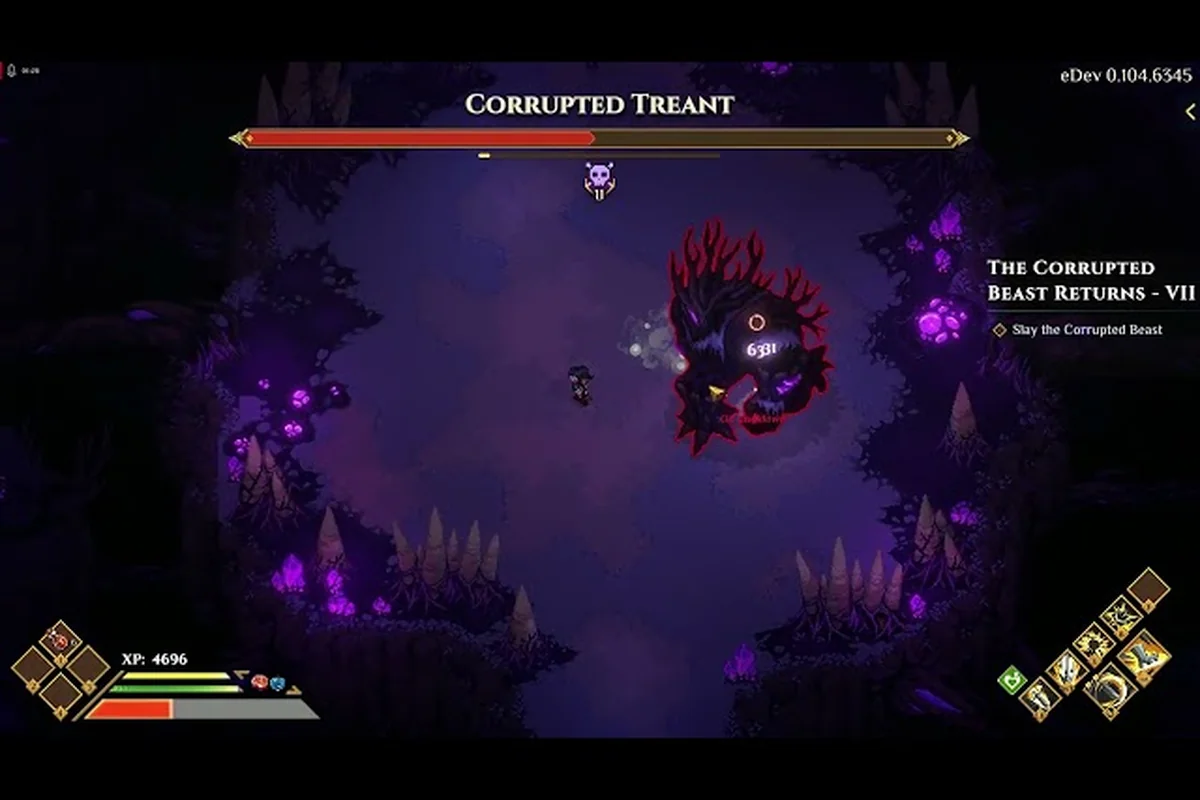
Dimraeth Combat Guide: Stamina, Telegraphs, and Parry Basics
Master Dimraeth's stamina-based Souls-lite combat — read enemy telegraphs, time parries and dodges, and chain counterattacks to win every Early Access encounter.
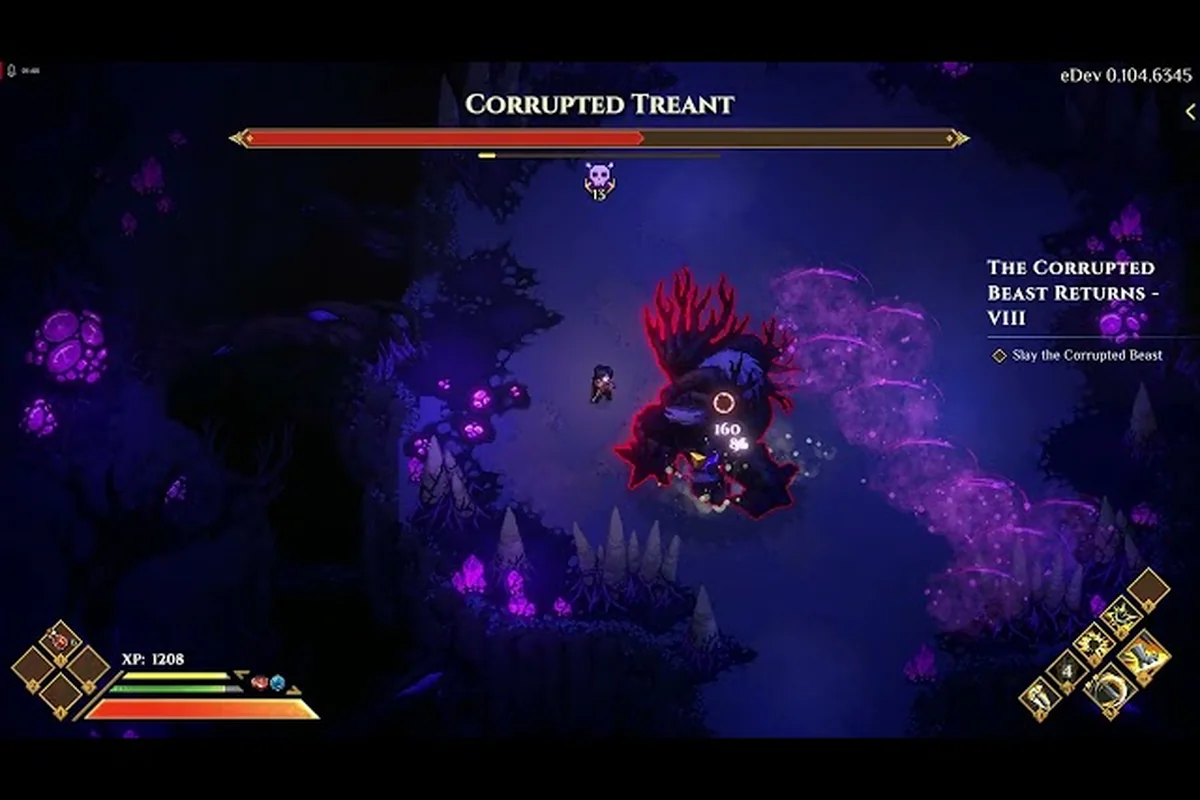
Dimraeth Enemy Patterns: Telegraphs, Elites, and Weakness Match
Decode Dimraeth enemy patterns with telegraph reads, elite monster tells, and elemental weakness matchups that make every boss fight survivable.

Dimraeth Spellbook Guide: Fire, Ice, Lightning and 5-Slot Builds
Build the perfect Dimraeth spellbook with fire, ice, and lightning breakdowns — choose your five equipped spells, manage cooldowns, and dominate elemental fights.
All Articles

Dimraeth Block Guide: Stamina Management and Boss Patterns
Learn when to block in Dimraeth with stamina management rules, shield timing tips, and boss pattern reads that turn defense into counterattack openings.
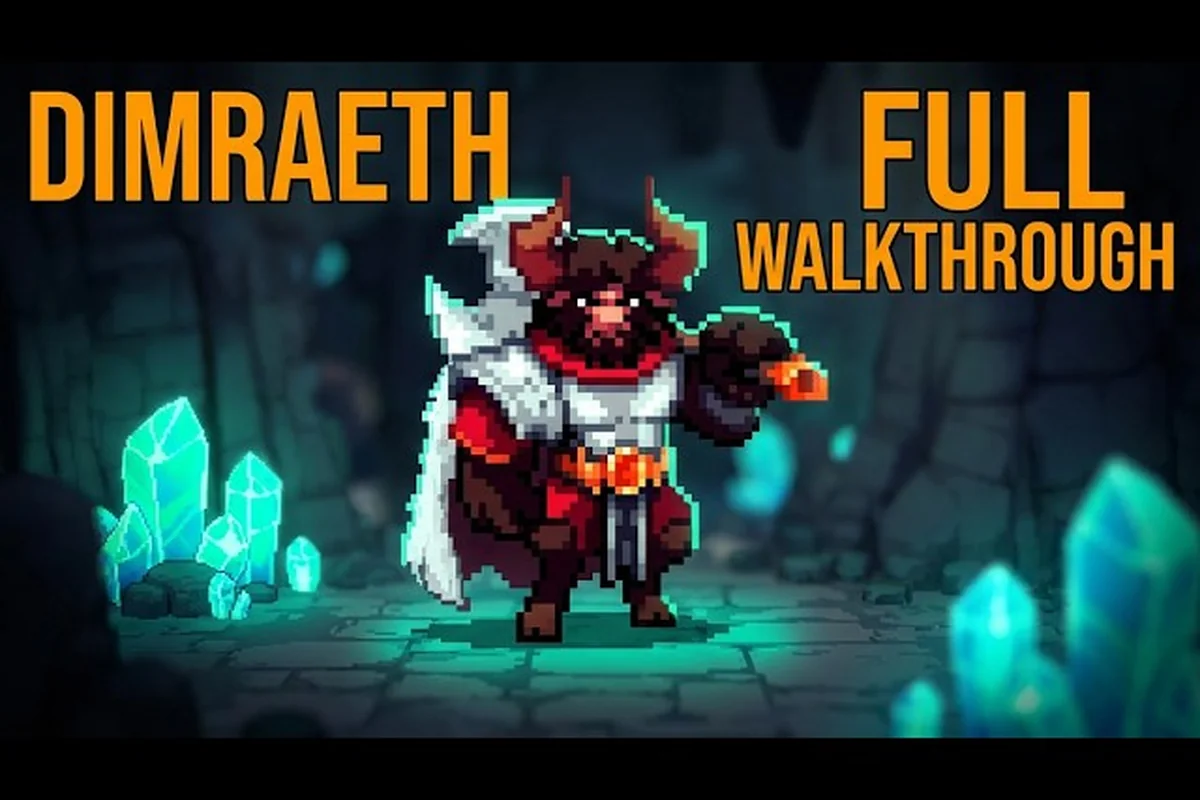
Dimraeth Spell Rotation: Chain Combos and Attack Commitment
Chain devastating Dimraeth spell rotations with attack commitment timing, dynamic spell swaps, and melee-to-caster combo windows for peak magic DPS.
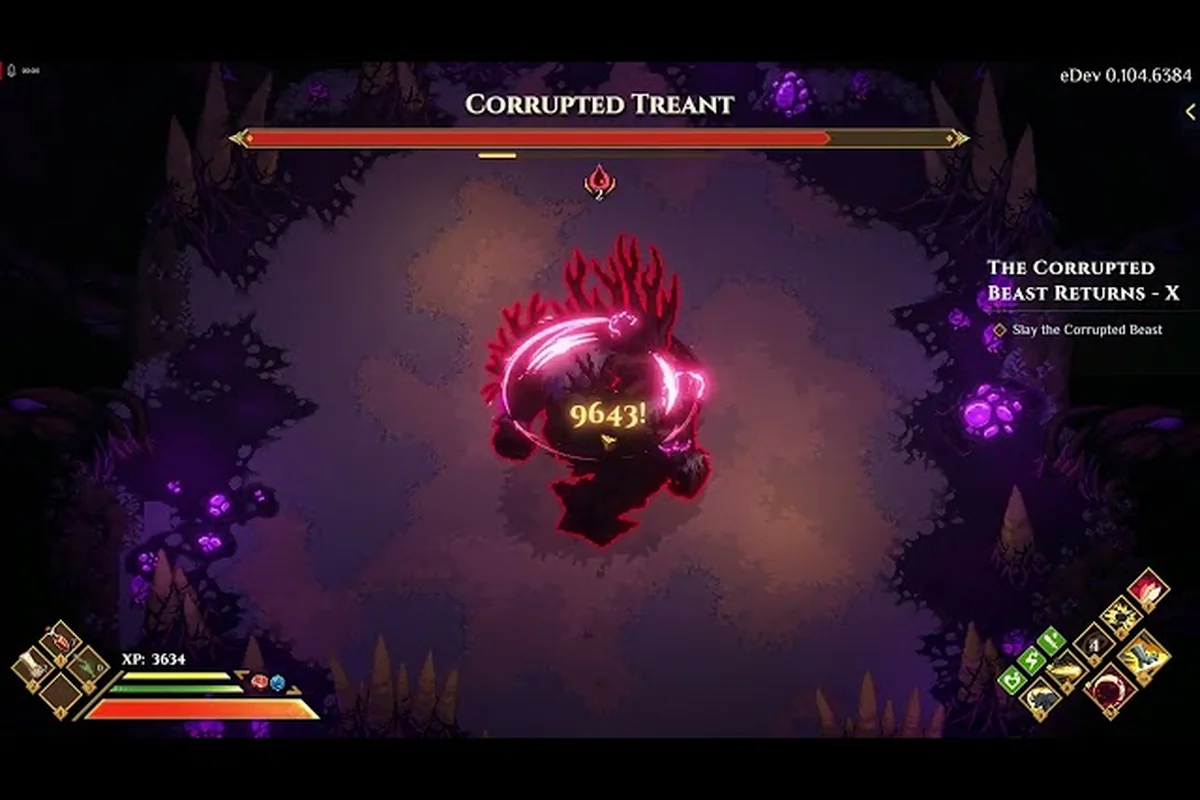
Dimraeth Universal Magic: Attribute Requirements and Melee
Unlock Dimraeth universal magic builds — meet spell attribute requirements, slot offensive spells on any class, and blend melee swings with ranged burst.