
Co-op
Everything about Dimraeth co-op — seamless 1-8 player drop-in play, how personal progression travels between worlds, and the best party compositions.
Introduction
Dimraeth is built for playing together. Up to eight players can share a world with seamless drop-in and drop-out co-op, and the design is clever about what travels and what stays: your hero's level, equipment, inventory and spells move with you between worlds, while story progress, recruited allies and buildings remain tied to each world. This section explains exactly how co-op works — how to invite friends, how progression splits across worlds, which party compositions work best, and how to take on world bosses and dungeons as a team.
Co-op Mechanics Quick Reference
| Feature | How It Works | Shared? | Limit |
|---|---|---|---|
| Drop-in / Drop-out | Join or leave a world anytime | No — seamless | Up to 8 players |
| Personal Progression | Level, gear, inventory, spells | No — travels with hero | Across all worlds |
| Story Progress | Main quest and region unlocks | Yes — tied to world | Per world |
| Buildings & Allies | Stronghold, recruited NPCs | Yes — tied to world | Per world |
Co-op Systems
Drop-in / Drop-out
Join and leave worlds without a lobby
Personal Progression
Your hero travels, your world stays
World Progression
Story, allies and buildings stay put
Party Composition
Roles that make eight players click
Core Mechanics
Co-op in Dimraeth runs on a shared-world model. A player hosts a world, and up to seven friends join it at any time with no lobby, no loading screen and no host lockout — players can drop in and out freely. The clever part is the split between personal and world progression. Everything attached to your hero — level, equipment, inventory and spells — travels with you, so you never lose progress by playing in a friend's world. Everything attached to the world — story quests, recruited allies and buildings — stays with that world, so the host's campaign advances when the party clears content. This creates a clear etiquette: join a friend's world to farm and help, but advance your own story in your home world.
Advantages
The shared-world model solves the biggest co-op RPG problem: nobody wants to replay content they already cleared. Because personal progression travels with you, you can join a friend's mid-game world and immediately contribute at your own power level. The eight-player cap supports genuinely large parties, and the class system gives every player a role — a Brawler holds the front, a Magician dishes elemental damage, a Shadow flanks, and a fourth player can focus on utility and control. World bosses and dungeons are designed for coordinated play, and the shared stronghold lets the whole party contribute materials to one base, dividing labor across farming, quarrying and crafting.
Challenges
The world-persistence rule can cause friction if the party is not on the same page. If the host is the only one whose story advances, guests may feel their time is spent on someone else's campaign. Coordination is also a skills issue: in a Souls-lite game, one player who drains their stamina or misses a boss tell can wipe the party, so co-op raises the difficulty floor as well as the ceiling. With Early Access not yet live, exact co-op mechanics — how many worlds you can own, how saves sync and how the eight-player cap scales — are based on official descriptions and demo impressions, so some details may change at launch.
Frequently Asked Questions
How do I invite friends to my world?+
What carries over between worlds?+
What is the best co-op party composition?+
Quick Tips
Host your story world separately from your farming worlds. Since buildings and story stay tied to a world, keeping one clean campaign world prevents guests from triggering cutscenes you wanted to watch at your own pace.
Assign roles before boss fights. In a Souls-lite co-op, a party of four players who all try to tank the boss will wipe — decide who parries, who kites and who focuses adds before the fight starts.
Share your stronghold labor. Have one player focus on farming, one on the quarry and one on crafting; the combined output of a shared base beats any solo economy, especially for potions and food.
Featured
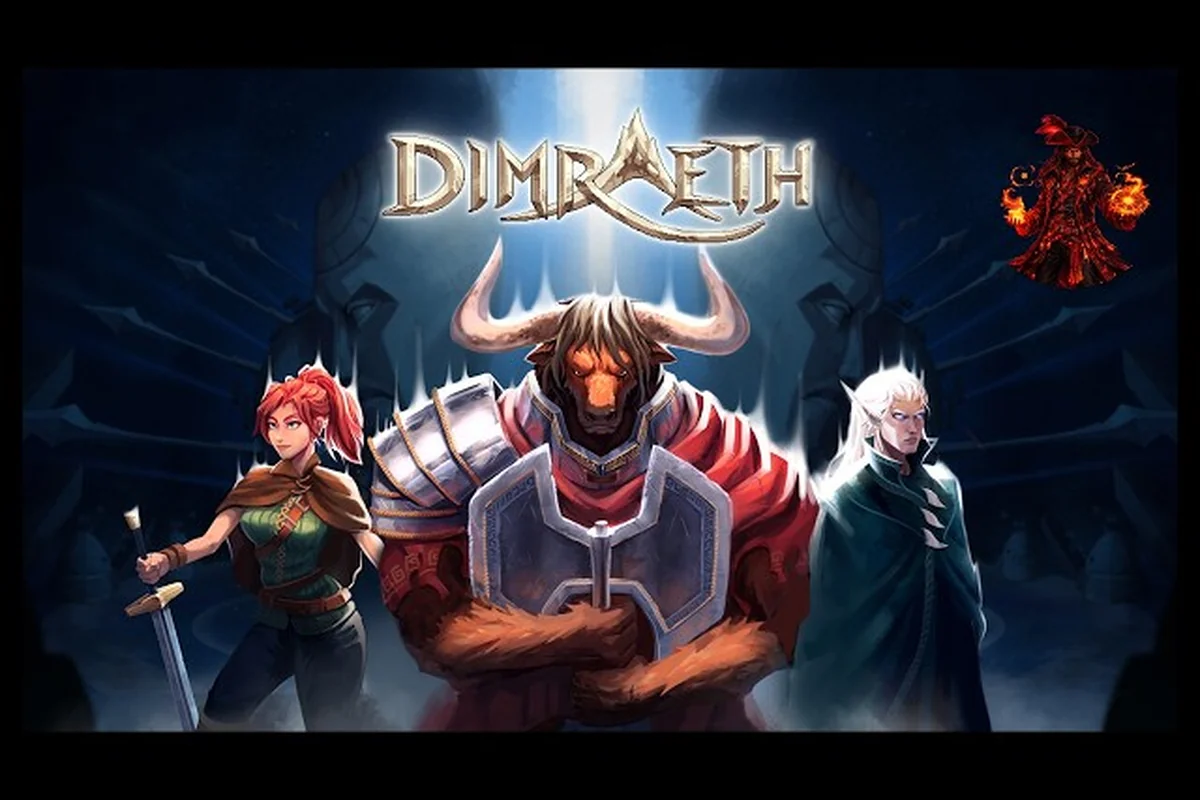
Dimraeth Multiplayer Guide: 1-8 Co-op, Cross-World Progression
Master Dimraeth multiplayer: seamless 1-8 player co-op, drop-in drop-out sessions, and cross-world progression that keeps your level, gear, and inventory.

Dimraeth Co-op Party Guide: Best Roles and Compositions
Build the strongest Dimraeth co-op party with role tips, invite steps, and team compositions that balance Brawler, Magician, and Shadow across any 1-8 player lobby.
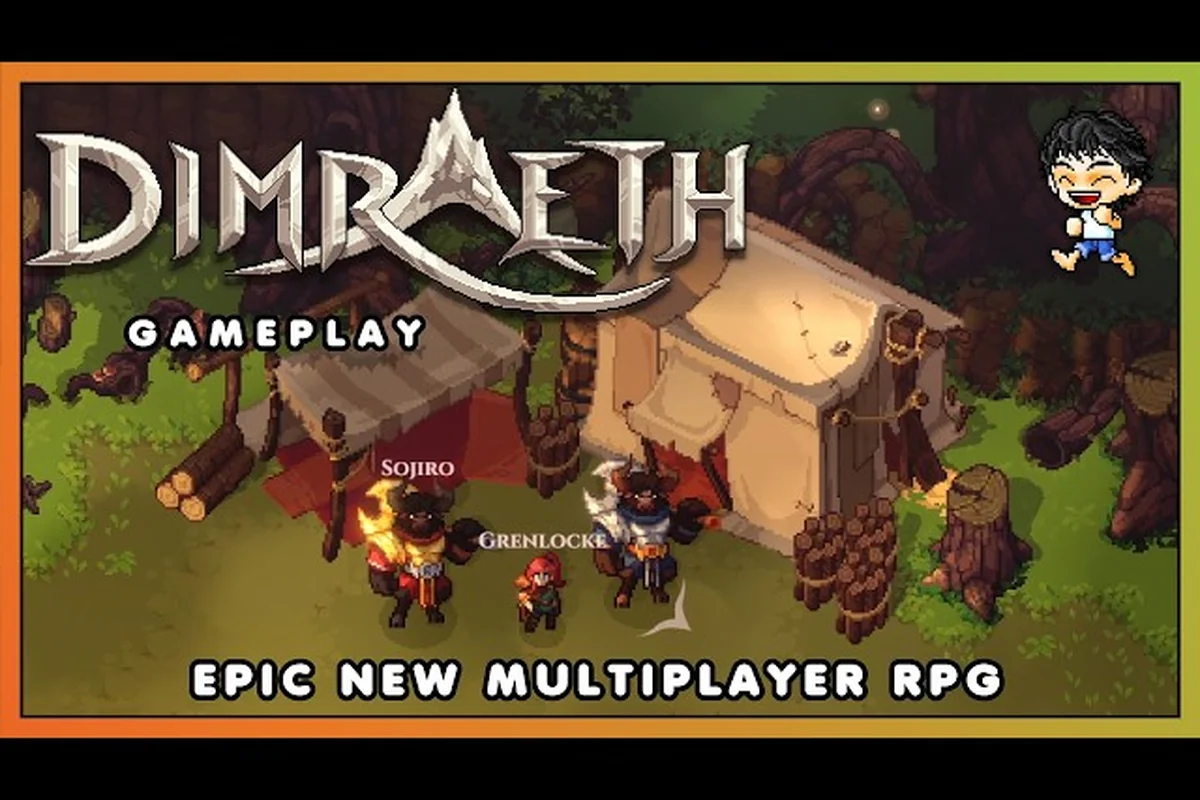
Dimraeth Co-op vs Solo: Leveling, Crafting, and Dungeons
Compare Dimraeth co-op vs solo play with leveling speed, crafting tips, farming routes, and dungeon compatibility so you can pick the right style for Early Access.
All Articles
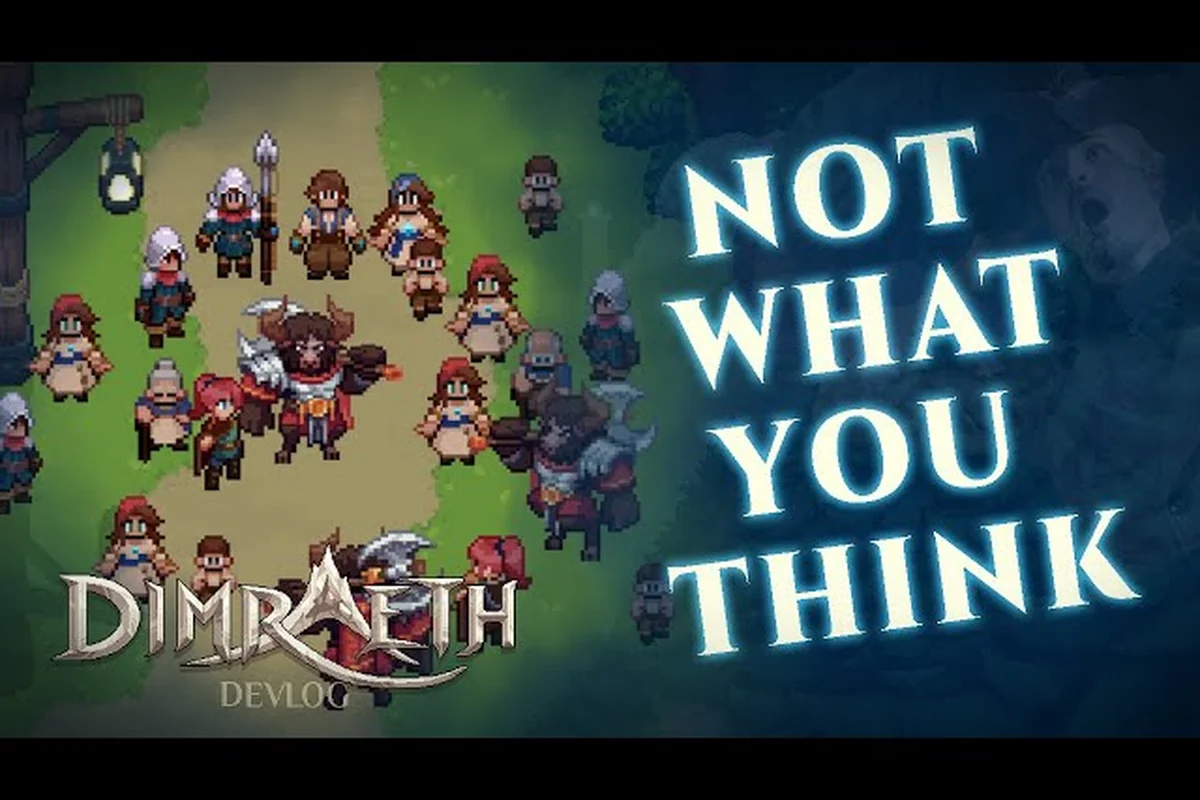
Dimraeth Co-op Class Guide: Tank, DPS, and Support Roles
Find the strongest Dimraeth class for 1-8 player co-op with tank, DPS, and support roles that keep your party thriving through Early Access.
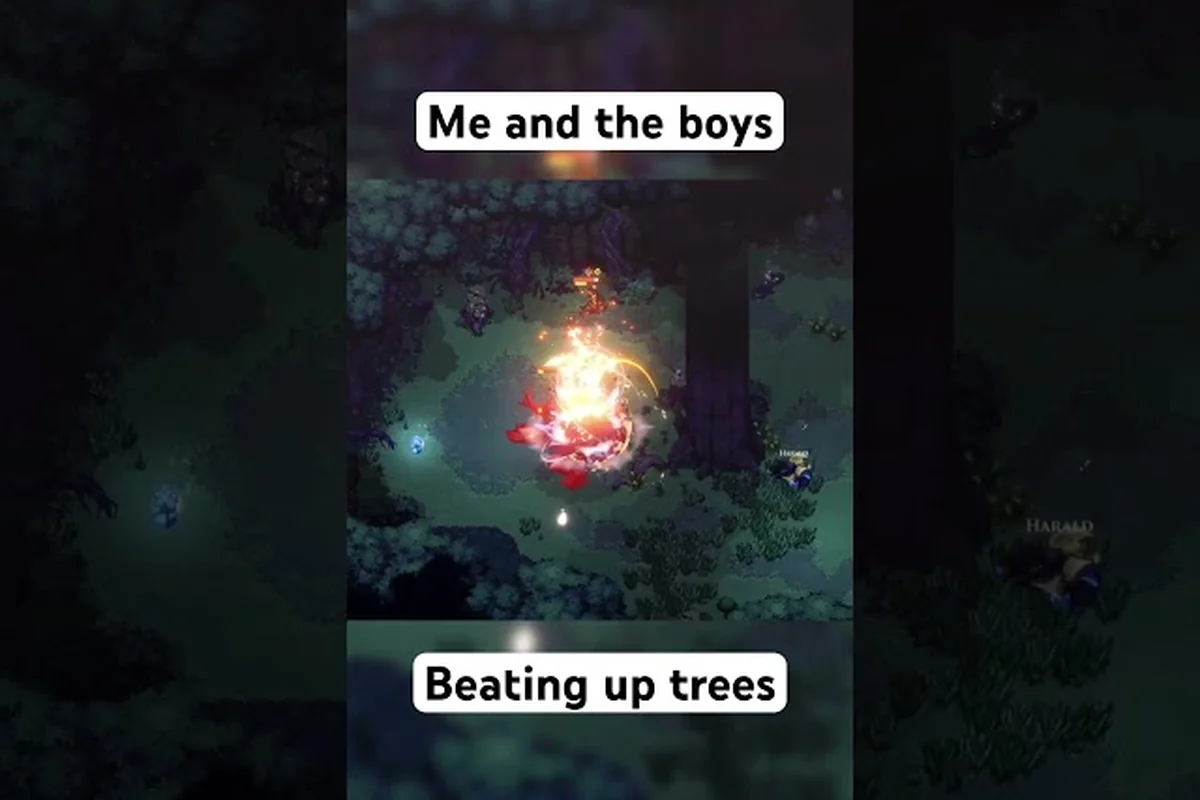
Dimraeth Co-op Builds: Roles, Quest Callouts, and Boss Tactics
Forge powerful Dimraeth co-op builds with role breakdowns, shared-base tips, quest callouts, and boss tactics for 1-8 player parties from Earlwood to endgame.
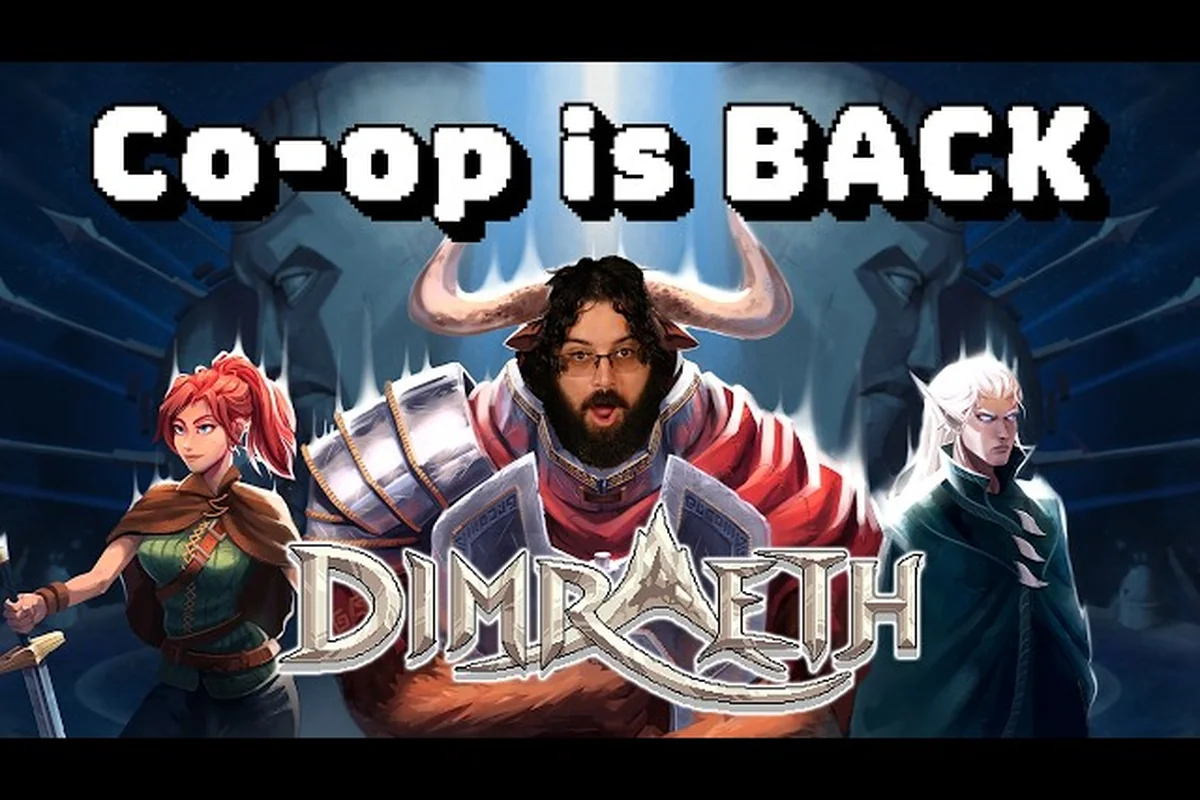
Dimraeth Co-op World Hosting: Shared Saves and What Travels
Host a Dimraeth co-op world without losing progress: learn which story beats, allies, and buildings stay shared, and which gear travels with each player.