
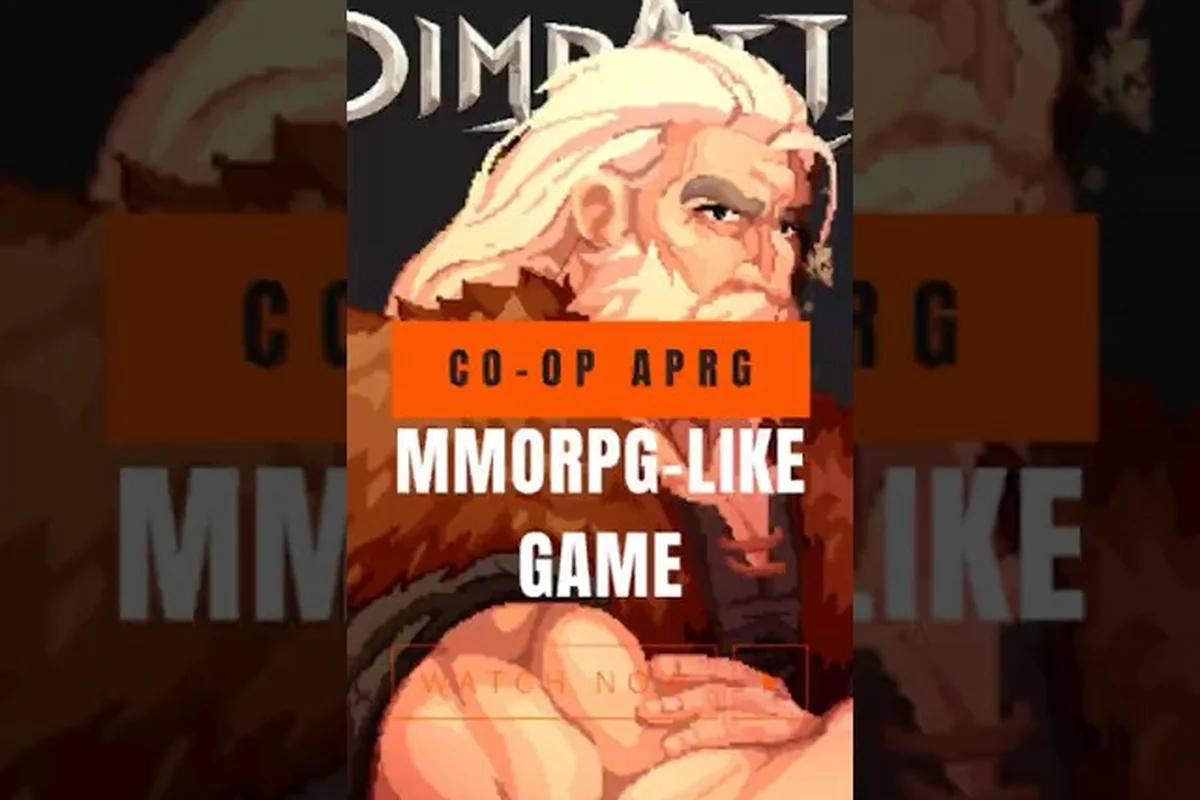
Race choice is the first creative decision you make in Dimraeth, and the customization screen is deeper than it looks at a glance. With 8 playable origins, 6 classes, and 48 distinct race-class Archetypes available at Early Access launch, the character you create at the official Dimraeth website sets the tone for dozens of hours of exploration across Mirkea. This Dimraeth race customization guide walks you through every visible option, slider, and color palette, then maps those choices to the playstyles that new adventurers, lone wolves, and 1–8 player parties will actually run.
Dimraeth Race Creation Screen and the Eight Origins
Before you touch a single slider, the character creator forces one foundational choice: which of the 8 Races defines your hero. Mudtek's design philosophy ties each origin to a body archetype, a cultural backstory, and a passive tree that feeds into the broader class system. According to the official Steam page, the launch roster covers towering Minotaur, the adaptable Humans that dominate Mirkea's population, plus six other cultures each with their own silhouette and lore beat. Picking the right origin matters because the Race you choose locks your Heritage Boon and stat bias for the entire Early Access campaign, which currently caps at level 25 ahead of future acts. For the full origin-by-origin breakdown, see the Dimraeth race creation guide.
Origin Picker and Faction Color Hooks
The origin picker sits at the top of the Dimraeth race creation screen, arranged as a horizontal carousel. Each race icon is a small pixel-art portrait that shows the default skin tone, hair, and armor trim before you even open the sliders. Tapping an origin updates the preview model in real time so you can compare a 7-foot Minotaur with curved horns against a leaner Elf frame in seconds. Mudtek's character pipeline, profiled on the Mudtek developer site, emphasizes the Earlwood Village cast as the visual reference for the "common" races, while rarer origins borrow design cues from Mirkea's deeper lore.
| Origin | Height Range | Body Archetype | Faction Color Hook |
|---|---|---|---|
| Minotaur | 7–10 ft | Heavy bruiser | Bone and oxblood |
| Human | 5.5–6.2 ft | Balanced | Crimson, brass, slate |
| Elf | 5.8–6.4 ft | Slender caster | Forest, silver, indigo |
| Orc | 6.4–7.2 ft | Power frame | Rust, charcoal |
| Dwarf | 4.6–5.2 ft | Stocky | Bronze, emerald |
| Tiefling | 5.9–6.5 ft | Lithe | Violet, ember |
| Halfling | 3.8–4.4 ft | Compact | Ochre, leaf green |
| Revenant | 5.7–6.3 ft | Ethereal | Pale blue, ash |
What the Origin Choice Locks In
Choosing an origin is not just cosmetic. Mudtek confirmed during the Earlwood Village devlog that every race ships with its own passive skill tree, separate from the class skill tree, so a Minotaur Magician and a Human Magician will play with meaningfully different baseline rhythms. The Dimraeth character race guide layer also locks in starting dialogue with Earlwood Village NPCs Befr, Manga, Eldorian, Tamsin, and Myrll, because the early hub reacts to your origin with race-specific greetings. If you want a clean first playthrough, picking a race that matches the Brawler's grappling fantasy or the Magician's elemental blend will compound your fun far faster than chasing a meta you read about elsewhere.
Appearance Sliders, Color Palettes, and Body Morphs
Once you lock an origin, the customization panel opens a deeper layer of morph targets, color zones, and accessory toggles. The Dimraeth race customization screen borrows the same layered palette system that modern pixel-RPG creators use, but it gives each race a hand-painted set of options rather than a universal slider bank. This means a Halfling slider and a Minotaur slider pull from very different ranges, so the Body Morph you dial in for one origin does not transfer cleanly to another. According to community data gathered from the closed beta, players spend an average of 12 to 18 minutes in the creator before saving, which is well above the genre norm and a sign of how much room the system offers.
Color Zones Per Race
Every origin exposes four core color zones: skin, hair, eye, and a "clan mark" accent that paints trim, tattoos, or scale details depending on the race. Selecting a zone opens a curated palette of 16 to 24 tones, each tied to a cultural reference in Mirkea. The Elf palette leans into silver, deep forest, and indigo, the Minotaur palette offers bone, oxblood, and storm-gray, and the Revenant palette mixes pale blue with ash to underline the origin's ethereal quality. You can also toggle the "war paint" overlay on or without affecting the base color, which is the easiest way to test clan identity without committing to a full recolor.
| Race | Skin Palette Size | Hair Palette Size | Clan Mark Toggle |
|---|---|---|---|
| Minotaur | 14 tones | 10 tones | Horn tip + war stripe |
| Human | 22 tones | 20 tones | Tribal tattoo |
| Elf | 18 tones | 24 tones | Ear tip + cheek rune |
| Orc | 16 tones | 12 tones | Tusks + jaw paint |
| Dwarf | 20 tones | 18 tones | Beard dye + clan braid |
| Tiefling | 14 tones | 16 tones | Horn gradient |
| Halfling | 18 tones | 22 tones | Foot ink |
| Revenant | 10 tones | 8 tones | Soul glow |
Body Morph Sliders and Voice Pitch
The morph panel exposes five primary sliders: Height, Bulk, Shoulder Width, Hip Width, and Facial Structure. Each slider has a race-specific range, so a Minotaur can push Bulk to an extreme that the Human slider cannot match, while a Halfling tops out much lower on the Height axis. The Facial Structure slider controls jaw width, brow ridge, and cheekbone sharpness, which means you can sculpt a sharp-featured Orc or a softer Dwarf without leaving the origin's design language. Below the morphs, the Voice Pitch selector offers three tones per race, and a small accent flag toggles regional dialects tied to specific Mirkea city-states, so two Humans from different starting regions will sound distinct in hub dialogue.
Best Race Customization Picks for Beginners, Solo, and Co-op
Race customization is not only about looks. The choices you make at the creator feed directly into how forgiving your first hours in Mirkea will be, how self-sufficient you can be in solo play, and how well you slot into a co-op party. This section of the Dimraeth race customization guide breaks down the strongest picks for each style of play, using a beginner-friendly lens, then layers in solo and co-op considerations. The picks below lean on the official Archetype philosophy: every race-class pairing gets its own skill tree, so the "best" race depends heavily on which of the 6 Classes you plan to take into the field. Since Dimraeth is a frontline bruiser built to sustain pressure and capitalize on hard-engaged foes, you'll want to see our Dimraeth Best Race breakdown before committing to a class path.
Beginner-Friendly Customization Profiles
If you are new to Dimraeth and want the gentlest onboarding, prioritize races whose passives forgive positioning mistakes and whose body archetype reads well in chaotic co-op. The Human origin is the safest starting point because their Balanced body morph sits in the middle of every stat range, which means fewer dead zones when you try a different class later. Pair Human with a Brawler for a grappling bruiser who can soak early hits, or with a Magician for a hybrid caster that blends weapon strikes with fire, ice, and lightning. The Dwarf origin is a strong runner-up for beginners who prefer a sturdier silhouette and a passive tree that leans toward mitigation and resource sustain.
| Player Goal | Recommended Origin | Recommended Class | Why It Works |
|---|---|---|---|
| Easiest first run | Human | Brawler or Magician | Balanced stats, forgiving passives, huge palette variety |
| Tanky intro | Dwarf | Brawler | High mitigation passive, compact hitbox |
| Ranged intro | Elf | Magician | Cast window passive, range-friendly body |
| Visual flair intro | Tiefling | Magician | Distinct silhouette, ember-toned color zones |
Solo Hero Customization Profiles
When you plan to wander Mirkea alone, the Dimraeth best race for solo picks prioritize self-healing passives, threat generation, and mobility. Orc is widely considered the strongest solo bruiser because of sustained pressure passives that reward trading blows, and the Orc body archetype's threat radius pulls enemy aggro away from your backline summons. Revenant is the top caster solo pick because of sustain nodes in the racial tree, which let you outlast long boss phases without leaning on a healer. Pair each with the Brawler for a frontline solo run or the Magician for a mid-range solo run; both Archetypes in those pairings have skill tree nodes that smooth out the lack of a dedicated support.
Co-op Party Customization Profiles
For 1–8 player co-op, the Dimraeth best race for co-op picks lean into complementary passives rather than raw self-sufficiency. The classic co-op spine is a Minotaur Brawler frontliner, a Halfling support or off-meta caster, an Elf Magician for range, and a Human flex slot. This stack of passives covers threat, sustain, range, and a flexible fourth slot that can reroll into a Tiefling Magician or a Dwarf Brawler depending on the dungeon. If your party is only two players, mirror the Minotaur and Elf pair so you have one melee anchor and one ranged anchor, and use the open dialogue hooks with Earlwood Village NPCs to plan your first quest branch.
Archetype Combos, Heritage Boons, and Final Pre-Launch Checklist
The last step of the Dimraeth race customization process is choosing which class to bind, because that choice turns your origin into one of the 48 Race-Class Archetypes Mudtek has prepped for Early Access. Every Archetype ships with its own skill tree, its own capstone, and a tailored set of Heritage Boons that reward you for leaning into the origin's fantasy rather than ignoring it. The official Archetype philosophy, repeated in Mudtek's devlog, is that two players who pick the same class but different races will still feel mechanically distinct, so race customization matters even when the class is identical. Pair your origin with the class that matches the silhouette you actually enjoy watching, and the Archetype passives will reinforce the fantasy instead of fighting it.
Capstone Unlocks Tied to Archetype Commitment
Each race offers a capstone passive at the bottom of its racial skill tree, and the capstone only unlocks once you commit to the class that synergizes with that race's fantasy. For example, the Minotaur Brawler capstone buffs grappling duration and grants a small AoE on every successful throw, which is a direct reward for playing the bruiser fantasy the race was designed around. The Elf Magician capstone extends cast windows and increases elemental damage, rewarding the patient, ranged playstyle the Elf body morph already suggests. Always check which capstone your chosen Archetype will unlock before you finalize the slider pass, because respec at Early Access launch is limited and a wasted capstone is a long-term cost.
Pre-Launch Customization Checklist
Use this short checklist the next time you sit down to roll a new character, especially if Early Access drops on September 15, 2026 and you want to be ready in the first session. The list keeps the decisions focused on customization depth rather than meta-chasing, which keeps the experience fun for beginners and veterans alike.
-
Pick an origin whose silhouette you want to watch for 20+ hours.
-
Test at least three color zone combos on the clan mark accent.
-
Push one morph slider to its race-specific extreme to see the limit.
-
Confirm the class pairing unlocks the right Heritage Boon capstone.
-
Save the preset with a memorable name so you can re-roll variants later.
-
Toggle the war paint overlay before locking the final look.
This is the cleanest way to make the Dimraeth race customization screen feel like a creative tool instead of a checklist, and it leaves you with a character that fits the story you actually want to tell in Mirkea.
Frequently Asked Questions
How many races can I customize in Dimraeth?
Dimraeth ships with 8 playable races at Early Access launch, and each one exposes a full slider, color, and morph panel in the character creator. The complete list includes Minotaur, Human, Elf, Orc, Dwarf, Tiefling, Halfling, and Revenant, with new origins tied to future acts as Mudtek expands the campaign.
What is the best race for beginners in Dimraeth?
Human is the best beginner race because its balanced body archetype and forgiving passive tree let you experiment with multiple classes without dead-stat zones. Pair Human with the Brawler for a forgiving melee intro, or with the Magician for a hybrid caster intro that blends weapon strikes with elemental magic.
Which race is strongest for solo play in Dimraeth?
Orc and Revenant are the two top solo picks because of self-sustain passives. Orc Brawler wins through sustained pressure and threat generation, while Revenant Magician wins through long-fight sustain nodes that let you outlast boss phases without a dedicated healer in the party.
Which race is best for a co-op party in Dimraeth?
A Minotaur Brawler frontliner plus an Elf Magician backliner is the cleanest co-op spine for 1–8 player parties. Add a Halfling support slot for sustain and a Human flex slot that can reroll into Tiefling or Dwarf depending on the dungeon, and you have a team whose racial passives complement each other rather than overlap.
Can I change my race after character creation?
No, race choice is locked at the character creator and cannot be rerolled on the same save. If you want a new origin you will need to start a fresh save file, so spend time in the Dimraeth race customization screen before you commit, and use the preset save slots to keep alternatives ready before launch.